
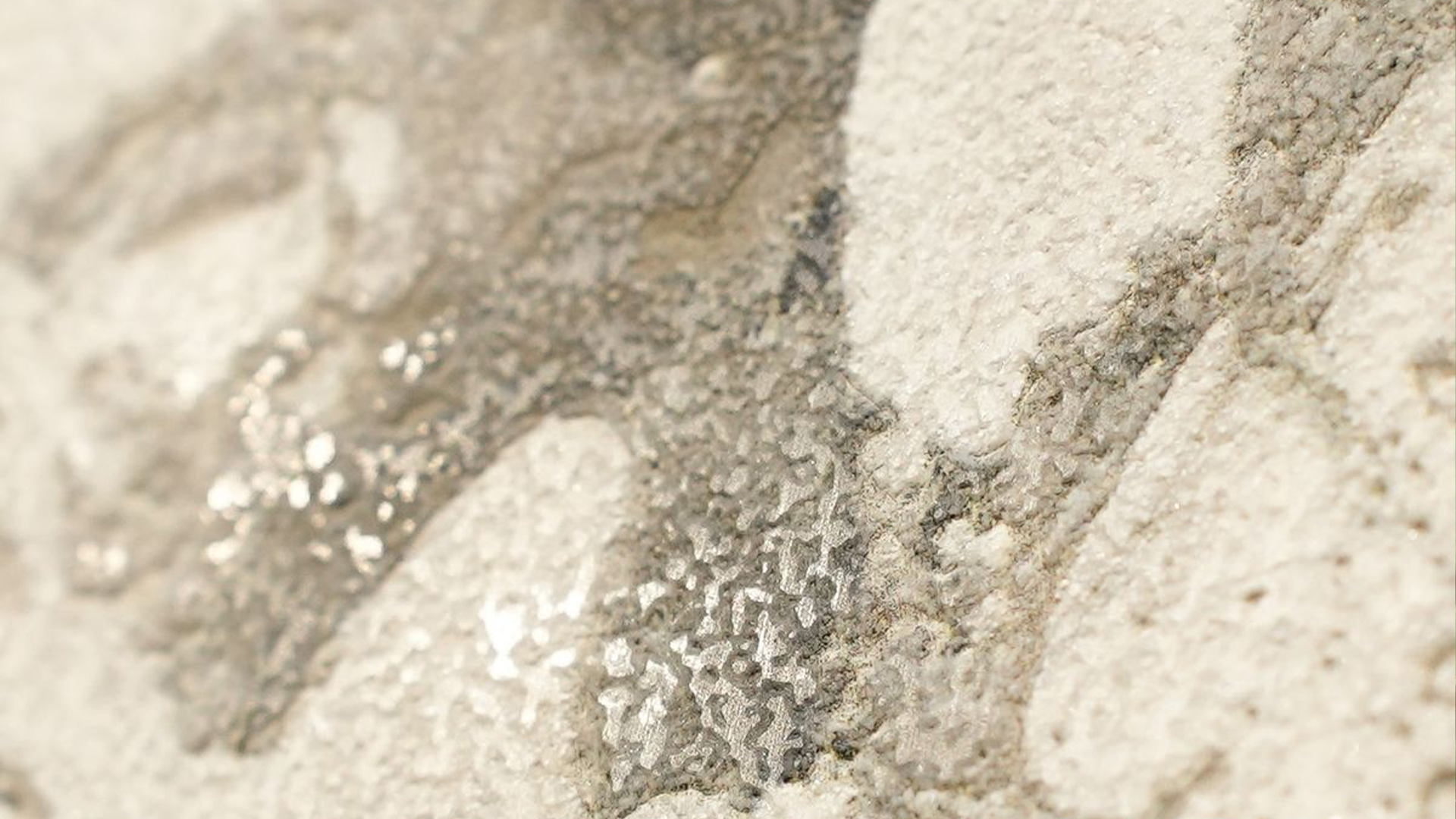
In contemporary design, the surface is no longer just a visual element. It is material to observe, touch and experience. The latest trends emerging in the world of interior design confirm an increasingly clear direction: more sensory environments, naturally inspired materials, finishes capable of interacting with light and textures that make spaces warmer, more authentic and immersive. Salone del Mobile 2026 also highlighted a strong focus on materials, sustainability and the role of materials as an integral part of architectural design.
In this scenario, ceramic surfaces are taking on an increasingly strategic role. Floors and wall coverings are no longer expected merely to imitate natural materials, but to reproduce their depth, tactility and interaction with light. This is where the growing interest in soft-touch finishes, matt anti-reflective surfaces and glossy-tech solutions comes from, combining aesthetics, performance and chemical research.
INDEX
- New trends in textured ceramic surfaces between tactility and light
- From Salone del Mobile to large slabs: the return of sensory surfaces
- Soft-touch and glossy-tech: why chemistry is now part of aesthetic design
- NEXT Surfaces: technology for matt ceramic surfaces and textured porcelain stoneware
- The balance between technical performance and sensory experience
- From visual surface to sensory surface
- Sicer’s role in the development of new ceramic surfaces
- Material as a new design experience
- FAQ
New trends in textured ceramic surfaces between tactility and light
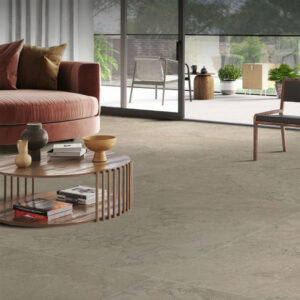
The language of surfaces is changing. After years dominated by highly glossy or hyper-decorative effects, international design is now seeking a more sophisticated balance: natural-looking surfaces, visually soft finishes, pleasant tactile sensations and materials capable of creating more intimate atmospheres.
Soft-touch finishes respond precisely to this need. The ceramic surface becomes more velvety, uniform and textured, with a visual effect that reduces light reflection and creates a warmer, more natural perception.
Alongside the matt world, interest is also growing in glossy-tech finishes: not simply glossy surfaces, but controlled reflective effects designed to create depth, selective reflections and contrasts with more opaque areas. The result is a more dynamic ceramic material, where light and matter create new decorative possibilities.
Today, light is an integral part of surface design. A finish can amplify the brightness of a space, enhance graphic depth or soften reflections to create more architectural and comfortable atmospheres. This is why controlling light response has become one of the most important aspects in the development of next-generation ceramic surfaces.
From Salone del Mobile to large slabs: the return of sensory surfaces
The trends observed in interior design confirm a return to the physicality of materials. Warm colours, natural textures, tactile surfaces and expressive finishes are redefining the way residential and contract spaces are designed. Ceramic trends for 2026 also reveal a strong focus on natural, textured and tactile surfaces.
For porcelain stoneware floors and wall coverings, this means developing surfaces capable of combining:
- natural aesthetics;
- controlled light reflection;
- textured finishes;
- tactile comfort;
- high technical performance.
In sectors such as hospitality, retail and high-end residential design, ceramic surfaces are increasingly designed to contribute to the spatial experience, improving visual comfort, material perception and the architectural quality of interiors.
Ceramic therefore becomes a material increasingly aligned with the needs of contemporary architecture: durable and industrially scalable, yet also sensory, welcoming and design-oriented.
Soft-touch and glossy-tech: why chemistry is now part of aesthetic design
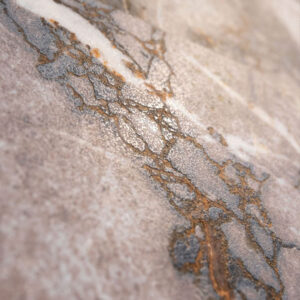
Behind a next-generation ceramic surface there is not just a graphic choice. There is complex work involving materials, formulations and surface behaviour during the production cycle.
Ceramic chemistry makes it possible to control essential aspects such as:
- level of opacity or gloss;
- light response;
- surface texture;
- tactile perception;
- wear resistance;
- ease of cleaning;
- stability of the industrial result.
In this sense, chemistry becomes a design tool. It does not simply improve technical performance, but directly contributes to defining the aesthetic experience of the surface.
A soft-touch finish, an anti-reflective surface or a glossy-tech effect are therefore not just decorative finishes: they are the result of a balance between formulation, application, firing and material design.
NEXT Surfaces: technology for matt ceramic surfaces and textured porcelain stoneware
Within this evolution, NEXT Surfaces represents one of the technologies developed by Sicer to interpret the new requirements of ceramic design.
Based on the use of calibrated micro-granules, NEXT Surfaces enables the creation of matt, textured and anti-reflective ceramic surfaces designed for porcelain stoneware floors and wall coverings. The result is a naturally aesthetic, uniform and design-oriented surface capable of delivering a pleasant tactile sensation and a soft visual perception.
The technology makes it possible to develop anti-reflective ceramic surfaces aligned with the main international design trends:
- soft and natural finishes;
- matt anti-reflective surfaces;
- balanced textured finishes;
- warmer and deeper visual effects;
- floors and wall coverings suitable for residential, commercial and architectural environments.
NEXT Surfaces therefore responds not only to a technical need, but also interprets a precise direction in contemporary design: creating sensory ceramic surfaces capable of combining material, light and perceptual comfort.
The balance between technical performance and sensory experience
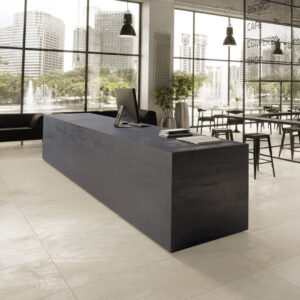
One of the most important challenges in contemporary ceramic surface design is maintaining a balance between aesthetics and functionality.
Soft-touch finishes must be pleasant to the touch, yet also durable. Matt surfaces must reduce light reflection without compromising cleanability. Textured finishes must enhance the graphic design while remaining compatible with the production requirements of the ceramic industry.
It is precisely within this balance that the know-how of a manufacturer of raw materials for ceramic companies becomes essential. Material research makes it possible to develop solutions capable of combining:
- aesthetic quality;
- application stability;
- wear resistance;
- surface cleanability;
- production continuity;
- consistency between creative concept and final product.
For manufacturers of floors and wall coverings, this means being able to create high-aesthetic-value surfaces without compromising the performance required by the market.
From visual surface to sensory surface
Today’s ceramic surface is not only meant to be seen: it is meant to be experienced.
The transition from purely decorative surfaces to sensory surfaces represents one of the most interesting evolutions in the industry. Ceramic material becomes part of the spatial experience, contributing to perceptions of comfort, elegance and naturalness.
In this context, soft-touch finishes and glossy-tech finishes represent two complementary directions. On one side, the matt and tactile world reflects the need for calm, sophisticated and anti-reflective surfaces. On the other hand, glossy-tech effects introduce controlled brilliance, visual depth and luminous accents.
True innovation comes from the ability to combine these languages, creating surfaces that are not only visually appealing but also aligned with new living needs and international architectural trends.
Sicer’s role in the development of new ceramic surfaces
For more than 30 years, Sicer has supported ceramic manufacturers in the development of materials, technologies and decorative solutions for floors and wall coverings.
Through the work of its research laboratories, the company develops products capable of responding to market evolution by integrating chemical expertise, aesthetic sensitivity and industrial technical support.
Technologies such as NEXT Surfaces demonstrate how material research can directly contribute to the transformation of ceramic design, offering new possibilities in the development of matt, textured, anti-reflective and tactile ceramic surfaces.
When chemistry meets design, the surface becomes a complete design element: aesthetic, technical and sensory.
Material as a new design experience
Soft-touch and glossy-tech finishes represent a new phase in ceramics. A phase in which floors and wall coverings are no longer simple decorative supports, but advanced surfaces designed to interact with light, touch and the identity of the space.
Thanks to material research and technologies such as NEXT Surfaces, Sicer supports the development of ceramic surfaces capable of interpreting the evolution of international design, transforming chemistry into a concrete tool for aesthetic innovation.
Contact Sicer team to develop ceramic surfaces aligned with international design evolution and the new architectural design requirements.
FAQ
Soft-touch surfaces are ceramic finishes designed to provide a soft and velvety tactile sensation. They are characterized by a matt appearance, reduced light reflection and a uniform textured surface, increasingly requested in interior design projects.
Matt surfaces focus on a natural, anti-reflective and textured effect, while glossy-tech finishes introduce controlled reflections and visual depth through advanced glossy effects. Both solutions are used to enhance surface perception and create sophisticated aesthetic contrasts.
Anti-reflective surfaces help create visually balanced environments by reducing light reflections and enhancing the textures and colors of the material. This type of finish contributes to warmer, more sophisticated spaces aligned with international architectural trends.
Soft-touch surfaces combine aesthetic quality with technical performance. In addition to their pleasant tactile feel and natural textured effect, they can provide anti-slip properties, ease of cleaning, chemical resistance and long-term durability.
Ceramic chemistry makes it possible to control fundamental surface properties such as gloss, opacity, texture, light response and firing behavior. Through specific formulations, it is possible to develop textured, anti-reflective, glossy-tech or soft-touch surfaces with high aesthetic and technical performance.
NEXT Surfaces is a technology developed by Sicer for the production of matt, textured and anti-reflective ceramic surfaces. Based on the use of calibrated micro-granules, it enables the creation of design-oriented surfaces that are pleasant to the touch, with high aesthetic uniformity and excellent technical performance for porcelain stoneware floors and wall coverings.