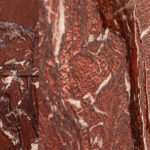

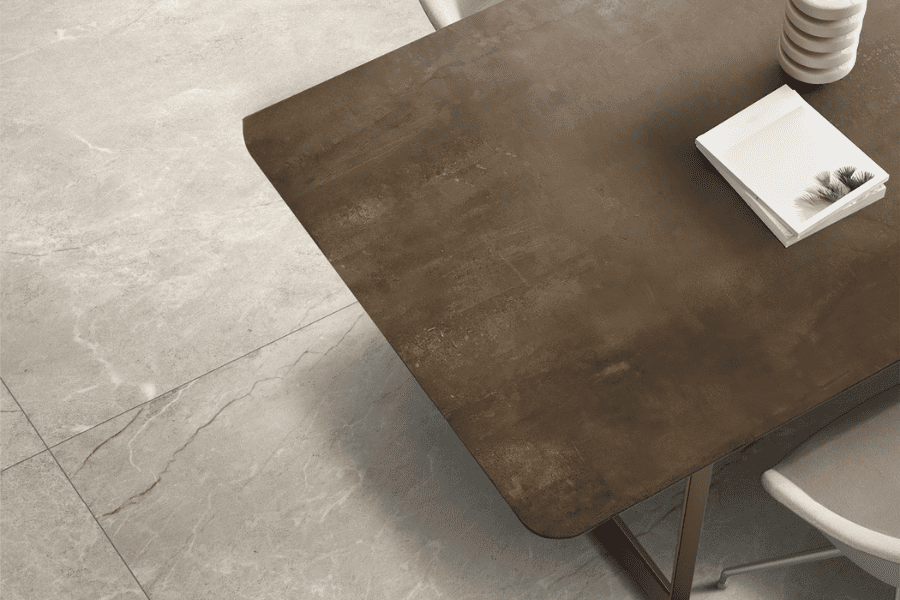
Ceramic trends for 2026 reflect a profound shift in how surfaces are designed and integrated into architecture and interior design. Spaces increasingly require materials capable of conveying balance, continuity and long-term coherence, going beyond purely aesthetic considerations.
Ceramics evolve into a true design language: no longer a final element, but an active component within a system where material, technology and performance coexist. Every material choice contributes to the overall outcome. In this context, Sicer positions itself as a partner and consultant in the development of ceramic surfaces for contemporary design.
INDICE
- Evolution of ceramic surfaces
- Materiality and applied research
- Visual effects and three-dimensionality
- New design requirements
- Applied innovation: high-performance ultra-matt surfaces
- From trend to project: Fuorisalone 2026
- The role of consultancy in ceramic development
- FAQ
Evolution of ceramic surfaces
Within ceramic trends 2026, the first evident shift concerns the role of the surface itself. Contemporary ceramic surfaces move beyond purely decorative functions to take on a structured role within the design process.It is no longer just about selecting an effect, but about designing a surface in relation to light, space and use.
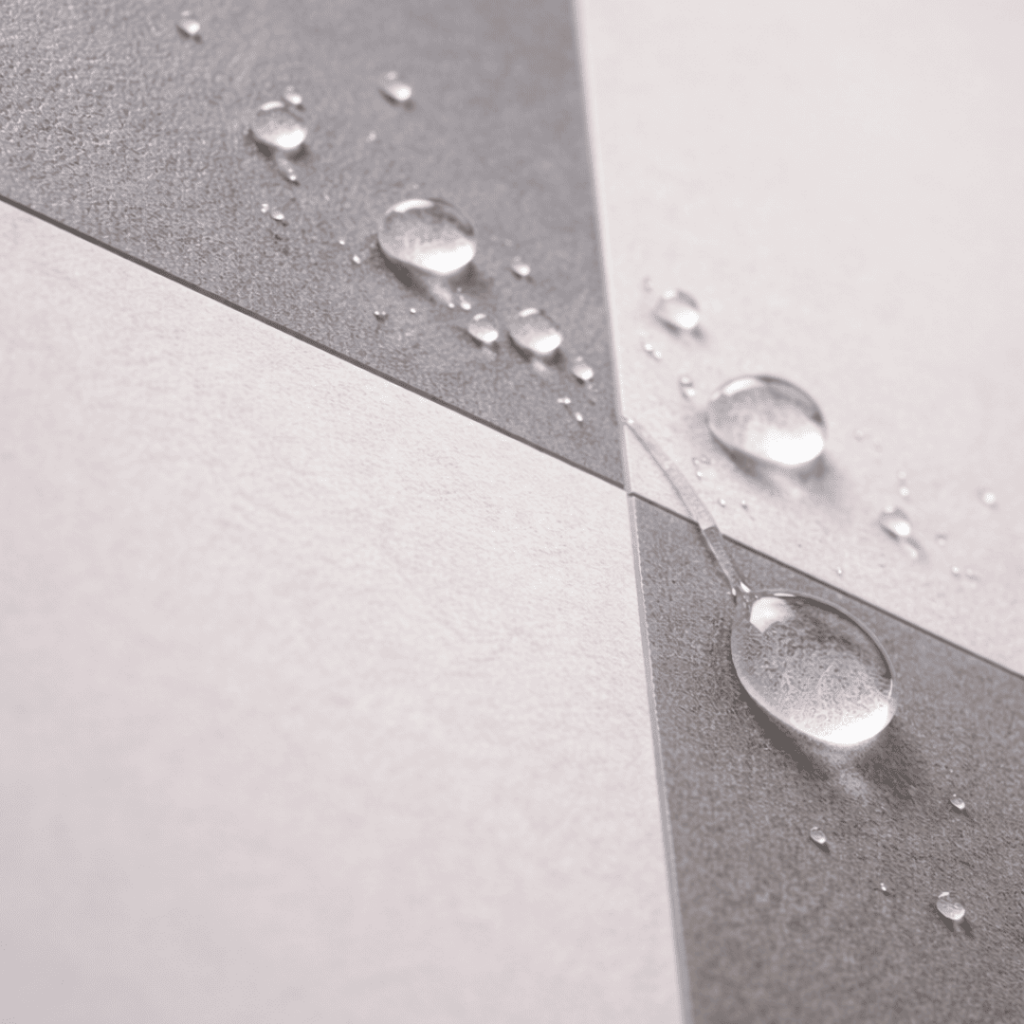
The surface becomes an active element, contributing to the construction of space. Layered surfaces are emerging, characterized by controlled variations and dynamic effects that generate visual depth. The goal is to create materials that respond to their environment, offering a perception that changes depending on conditions-fully aligned with the latest ceramic design trends. This evolution opens up a broader reflection on materiality and how it is designed.
Materiality and applied research
One of the key drivers of ceramic trends 2026 is material research. Glazes, grits and applications evolve through increasingly advanced chemical research and industrial development. The surface is no longer just a finish, but the result of a balance between:
- technical formulation
- aesthetic performance
- long-term behavior.
This leads to the development of innovative ceramic materials, where natural and artificial elements merge, creating increasingly sophisticated tactile and visual effects. This also results in greater perceptual complexity, expressed through visual effects and three-dimensionality.
Visual effects and three-dimensionality
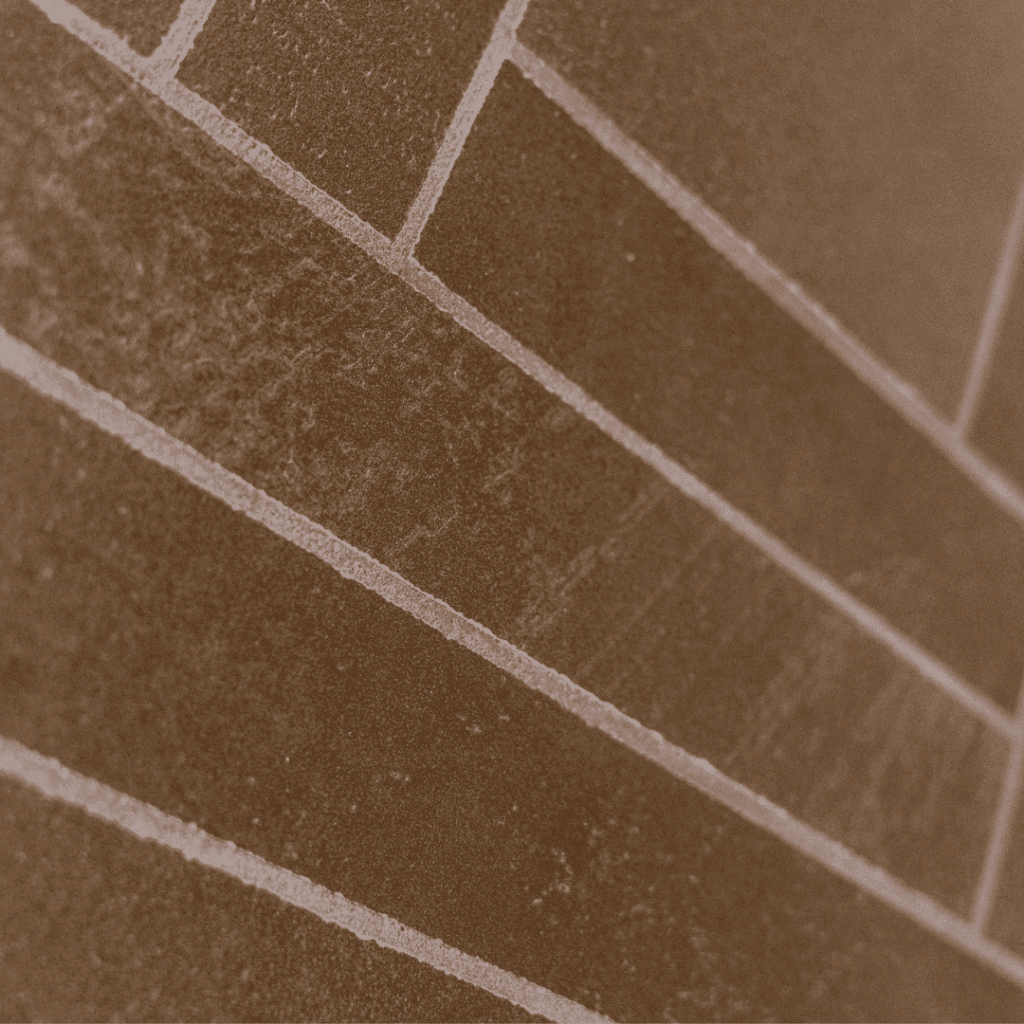
There is growing interest in three-dimensional and dynamic surfaces capable of generating complex visual interactions. Reflections, anti-reflective effects, depth and light responsiveness become key design tools. The surface becomes a narrative element, able to transform spatial perception and contribute to the identity of a project, in line with the evolution of ceramic textures in 2026. This shift is not only visual: it requires surfaces designed to maintain their perceptual qualities over time, even under real usage conditions.
New design requirements
Architects and designers increasingly demand materials that align with complex design concepts while remaining applicable on an industrial scale. This implies a paradigm shift: the supplier is no longer just a manufacturer, but a design partner. Technical consultancy therefore plays a central role. The ability to translate an idea into a concrete, replicable and high-performance surface becomes a key differentiator. Sicer’s consultancy approach responds to this complexity by integrating material development, technical validation and production processes from the earliest stages of the project.
Applied innovation: high-performance ultra-matt surfaces
The evolution of ceramic surfaces translates into solutions where research, technology and real-world use converge. Ultra-matt surfaces effectively embody this evolution. Appreciated for their aesthetic quality, they are now engineered to deliver high performance in terms of cleanability and resistance to daily use.
The idea that ultra-matt surfaces are difficult to maintain is increasingly outdated: new technologies make it possible to intervene directly on surface structure, balancing aesthetics and functionality. Responding to this need means designing materials where every detail is controlled, from micro-texture to technical performance, resulting in ceramic surfaces that combine aesthetic quality, ease of maintenance and long-term reliability.
| Aspect | New surfaces (ex° NEXT) |
| Aesthetics | Integrated with performance |
| Texture | Micro-engineered |
| Cleanability | High and designed |
| Grip | Certifiable (R9-R12) |
NEXT Surfaces, the evolution of textured surfaces
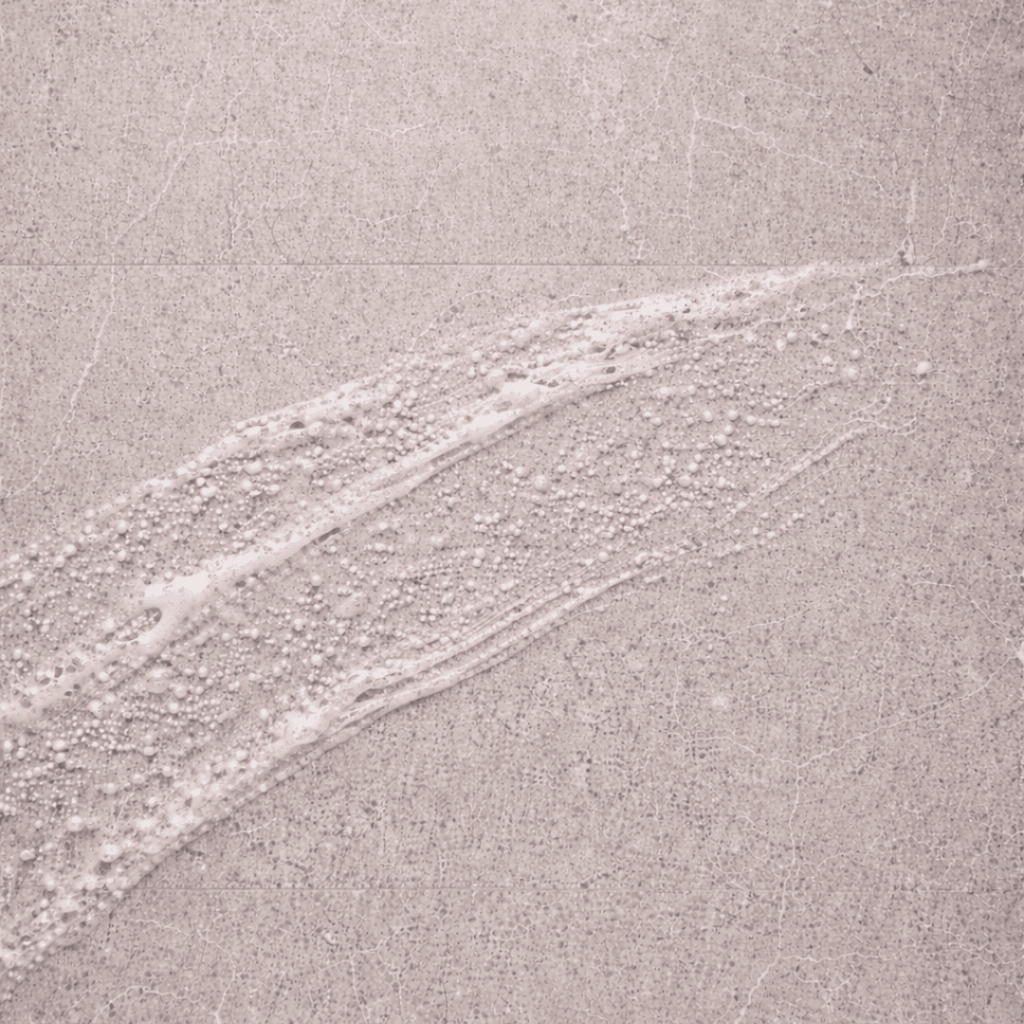
NEXT Surfaces was developed precisely to meet this design need: making an ultra-matt surface reproducible on an industrial scale while maintaining its aesthetic and performance qualities over time.
With solutions like NEXT, it becomes possible to move from the technical definition of a surface to its application within a complete architectural project. Discover NEXT Surfaces.
From trend to project: Fuorisalone 2026
Trends find their most concrete expression in experimental design contexts such as Milan Design Week. The Metamorphosis project, presented by Sicer at Fuorisalone 2026, interprets the concept of transformation through continuously evolving surfaces, where material, light and perception interact. Here, research into effects, materials and applications becomes a coherent design narrative aligned with emerging industry directions.
The role of consultancy in ceramic development
The continuity between research, development and design highlights how today’s complexity requires expertise that goes beyond product supply. Technical consultancy makes it possible to:
- interpret advanced design requirements
- develop customized surfaces
- ensure consistency between concept and production.
Sicer operates in this context as a partner in the development of innovative ceramic surfaces, integrating research, technology and design.
FAQ
The main trends include materiality, three-dimensionality, complex visual effects and integration between design and production processes.
Surfaces are becoming active design elements, capable of influencing perception, light and spatial identity.
Research – especially chemical and applied – is essential for developing innovative and high-performance surfaces.
Because it enables the transformation of design concepts into industrially viable solutions while maintaining aesthetic consistency and technical quality.