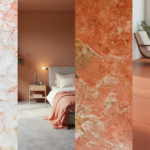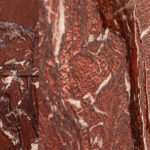

Today, ceramic surface development is an advanced technical design activity that goes far beyond choosing a finish. It means engineering a surface system capable of meeting aesthetic goals, measurable performance requirements and increasingly complex industrial constraints. In a highly competitive international market, the difference is not only in the visual result, but in the ability to transfer the project into production in a stable and controlled way.
It is in this context that Sicer positions itself as a consulting-driven technological partner. Through consulting for ceramic surface development, Sicer supports companies in transforming a concept into a concrete, repeatable technical project—reducing development time, operational risk and rework costs, and contributing tangibly to the competitiveness of the final product.
TABLE OF CONTENTS
- From manufacturer of raw materials to strategic partner in ceramic surface development
- Sicer’s method: listening, analysis and co-creation
- Applied research: innovation and development of new ceramic surfaces
- The 3 Sicer’s Labs: the ecosystem of integrated consultancy
- Conclusions
- FAQ
From manufacturer of raw materials to strategic partner in ceramic surface development
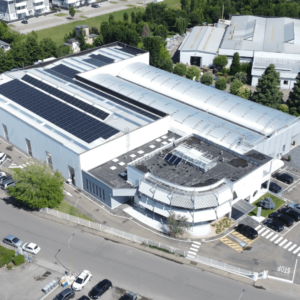
Historically, a manufacturer of raw materials per ceramic industries has been linked to supplying materials and technical solutions. Today, market complexity calls for an evolved model. Becoming a strategic partner means supporting ceramic companies from the earliest analysis stages—contributing to defining aesthetic targets, required performance and production constraints. Consulting for ceramic surface development therefore becomes a structured process that integrates design, technology and industrialization.
From product supply to an integrated solution
This is no longer about purchasing a product, but about building an integrated technical pathway. Developing a ceramic surface today requires an initial goal analysis, performance engineering, applied research, validation testing and industrial optimization. An advanced consulting supports the customer through all these stages, changing an idea into a structured project aligned with brand range development. A traditional supplier delivers a product; a partner provides method, vision and control. Without a 360° approach, projects often proceed by trial and error, resulting in inevitable inefficiencies.
Sicer’s method: tailored consultancy based on listening and co-creation
In the ceramic industry, each company has a different identity, objectives and production processes. For this reason, consulting for ceramic surface development cannot be standardized. Sicer’s method is based on a key principle: understanding before proposing. Each project starts with in-depth analysis involving technical management, marketing and production. The goal is not simply to create a new surface, but to build a project coherent with brand positioning, target market, technical requirements and the specific characteristics of the production line. This approach turns consultancy into a structured co-creation process, where the customer and the technical team work in synergy to achieve measurable, industrially sustainable results.
Integration between graphics and technology
One of the most common mistakes is separating the creative stage from the technical stage. In Sicer’s method, graphics and technology interact from the outset. The aesthetic concept is immediately assessed from an application standpoint: compatibility with digital inks for ceramic industry, behaviour of digital materials for ceramic industry during firing, interaction between surface effects and technical bases, and colour stability within the production cycle.
This integration enables application solutions for ceramics that are not only visually impactful, but technically robust, so the surface keeps its aesthetic promise in industrial production.
From research to industrial validation
The transition from research to production is a critical milestone. This is where the project is verified for real applicability. Through testing under concrete production conditions, interactions between materials, firing cycles and line parameters are analysed.
Process optimization reduces variability and ensures production continuity. Only after industrial validation can a solution be considered market-ready, because it has proven technical coherence and operational effectiveness.
Applied research: innovation and development of new ceramic surfaces
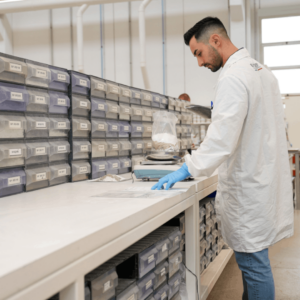
Innovation in the ceramic industry cannot remain theoretical. It must translate into concrete solutions that generate real value. In this context, Sicer operates as a centre for applied research, developing new technical approaches and surface systems that integrate experimentation with production feasibility. Research is oriented to implementation: each idea is evaluated for manufacturability, avoiding misalignment between lab and production line.
Experimentation with new raw materials
Material is the starting point of every aesthetic and technical evolution. Experimentation with new formulations expands possibilities in ceramic surface development, exploring new material depths and firing reactions. This work identifies innovative solutions that improve aesthetic outcome and technical stability, strengthening the perceived value of the final product.
Research on effects and finishes
Trends in ceramic surfaces are expressed through refined details: micro-structures, three-dimensional effects, light contrasts and complex interactions between graphics and material. Research on effects and finishes aims to engineer surfaces with a strong visual identity while remaining consistent with industrial needs. Aesthetics are developed consciously, so the final result reflects the design intent reliably at scale.
Anticipating market evolution
Tracking market evolution means identifying emerging needs before they become mainstream. Through continuous analysis of international trends and design languages, Sicer steers development toward solutions that offer a concrete competitive advantage. Anticipating does not mean chasing fashion, it means translating signals into structured projects that are coherent and ready for industrialization.
The three Sicer’s Labs: an ecosystem of integrated consulting
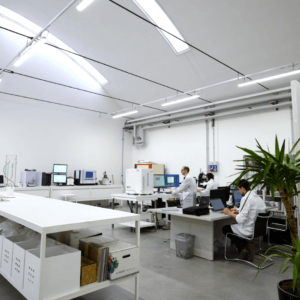
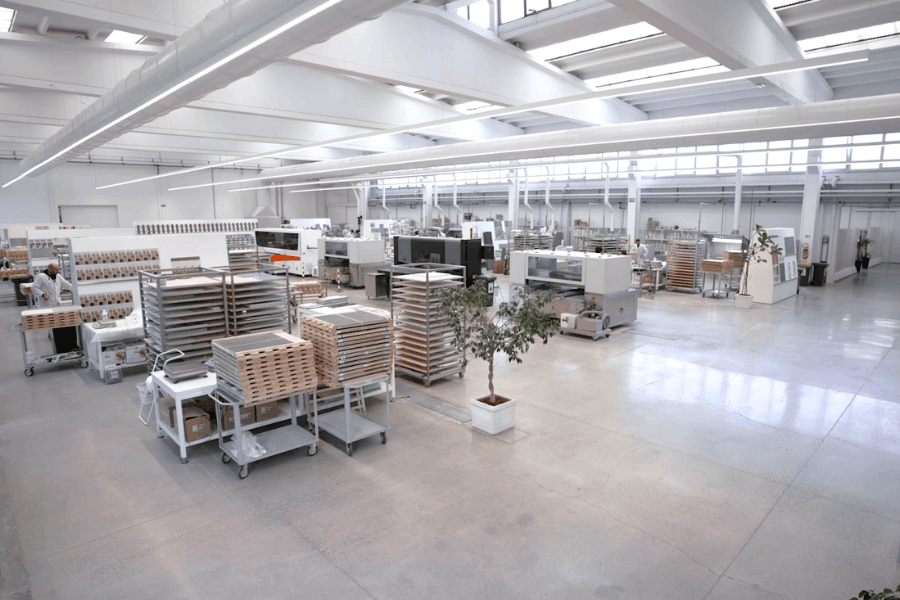
Consulting for ceramic surface development requires multidisciplinary skills and an organized structure. At Sicer, this integration takes shape through three complementary Labs working in synergy, forming a technical and creative ecosystem focused on results. Working alongside leading Italian and international ceramic manufacturers, the three Labs manage projects with different levels of complexity, adapting method, R&D and development to each production context. This cross-market experience enables Sicer to transfer practical know-how while maintaining high levels of technical and industrial control.
Technology Lab: performance and industrialization
Technology Lab is the core of technical development. Here, ideas are transformed into repeatable application solutions through performance analysis, validation testing and optimization of production parameters. The Lab works closely with customers, providing direct technical support and contributing to stable, controllable and industrially sustainable ceramic product development, covering key domains such as ceramic glazes production, glazes for industrial ceramic companies, technical grits and raw-material systems.
R&D Lab: research and creative development
R&D Lab is the engine of innovation. It is where graphics and technology meet to generate new surfaces, textures and expressive possibilities. Through experimentation and trend analysis in ceramic surfaces, the Lab develops projects that combine aesthetic identity with technical feasibility, continuously feeding innovation.
Digital R&D Lab: digital research, development and validation
Digital R&D Lab is dedicated to the research and development of digital inks, digital materials and digital glue for the ceramic industry. A significant part of recent activity has focused on reducing environmental impact without compromising performance and quality standards—supporting the development of dedicated lines such as Low Emission and the more recent Water Based series. The Lab’s role is to control and validate digital innovations so they can be reliably implemented in industrial production.
Conclusions
Every development project carries a vision, a technical challenge and a positioning goal. Addressing it with an integrated approach means turning complexity into method and innovation into a concrete result.
If you are working on a new surface, a range evolution, or a project that requires cross-competencies between design and technology, engaging with a specialized partner can be the first step toward a more robust, distinctive and competitive solution.
Sicer’s team is available to discuss needs, scenarios and development opportunities, building a tailored pathway oriented to measurable value.
Frequently asked questions about consulting for ceramic surface development (FAQ)
What does “consulting for ceramic surface development” mean?
It is an integrated service combining design, applied research, technical performance and industrialization to transform a concept into a repeatable and competitive ceramic surface.
What is the difference between a supplier and a partner in ceramic product development?
A supplier offers products; a partner develops tailored solutions, integrating graphics, technology and production process to reduce risk and create value.
Why is industrialization crucial in ceramic surface development?
Because a surface must be stable, repeatable and controllable in production, ensuring aesthetic consistency and performance at scale.
How do trends influence ceramic surface development?
Trends guide material and aesthetic choices, but must be translated into concrete application solutions consistent with brand positioning.
When should a company request consulting for ceramic application solutions?
At the early stages of a new collection or when production issues arise, to optimize ceramic product development, timelines and industrial outcomes.